HRM304 · Session 1 of 11

What is Culture?
Why Cross-Cultural HRM?

Lukas Wallrich · Birkbeck, University of London
Visiting Lecturer · SWUFE School of International Business · May 2026

About me

Dr Lukas Wallrich

  • BA Philosophy, Politics & Economics (Oxford)
  • MA Educational Psychology (UCL)
  • PhD Social Psychology (Goldsmiths)
  • Lecturer in Organisational Psychology (Birkbeck)
  • 4+ years of management consulting at McKinsey
  • Quantitative / mixed-methods researcher
  • Focus: intergroup relations, team diversity–performance link, evidence quality / Open Science
Photo of Lukas Wallrich outdoors in autumn, wearing a grey jacket and patterned scarf.

Today, in three parts

Chunk 1设定框架
Setting the frame. What is culture, and why does it matter for HR?
Chunk 2教教我
You teach me. What is working culture in Chengu like? How does that inform CC-HRM?
Chunk 3模块预览
The module ahead. What we cover, how you're assessed, where you think the challenges will be.


Chunk 1 of 3 · ~45 min

Setting the frame

What is culture, and why does it shape how people are managed?

Culture
文化

The shared, often invisible, patterns of values, beliefs, and assumptions that shape how a group of people sees the world and behaves in it.

Culture is learned, not inherited, and it operates at many levels: national, regional, organisational, generational.

The cultural iceberg

Above the waterline: clothes, food, language, gestures.

Below: values, hierarchy, assumptions about time, trust, and the self.

HR usually fails on what sits below.

Cultural iceberg illustration in line-art style: small visible portion above water with cross-cultural professional figures, much larger abstract portion below water with terracotta accents.

Culture is not just national

National国家
The usual default. Useful, but hides huge internal variation.
Regional地区
Chengdu, Shanghai, Guangzhou, Urumqi. Different rhythms, dialects, expectations inside one country.
Organisational组织
A German tech and manufacturing firm can be further apart than a Chinese and a German firm in the same industry.
Generational代际
Your expectations of work are not your parents'. Culture moves faster than frameworks track.

Why HR cannot ignore this

Hiring
How are achievements (and references) presented?
Appraising
Is direct feedback respectful or rude?
Rewarding
Is a fair bonus individual or shared?
Retaining
What did people expect when they joined?

Chunk 2 of 3 · ~45 min

You teach me

Your understanding of local working culture, and why that matters.

Line-art illustration of a goldfish swimming in a clear round glass bowl, with terracotta accent on the fish — evoking the metaphor that fish notice water last.
Fish notice water last
当局者迷
Understanding our own culture can be harder than understanding others' — but it is required for successful cross-cultural (HR) management.
Group Task 小组任务 20:00 · 4 per group

Scenario

I am a UK HR manager about to start work in Chengdu. What do I need to understand about how work relationships, hierarchy, communication, and loyalty actually function here?

What to do

  1. Pick three things the UK manager must understand. Give each a concrete example.
  2. Write on the large sheet in English. Short bullets only.
  3. Choose a spokesperson for a 1-minute share-back.
Report-back 反馈 1-2 min per group

The question

What did your group decide the UK manager must understand?

How we'll do it

  1. Spokesperson: headlines only, 1-2 minutes.
  2. I'll write recurring ideas on the board as you go.
  3. Other groups: build on what's already there.

Three concepts I've been told about

Guanxi
关系
~ relationships
Mianzi
面子
~ face
Renqing
人情
~ obligation

Chunk 3 of 3 · ~45 min

The module ahead

What we cover, how you're assessed, where you think the hard problems will sit.

What we'll cover

Foundations基础
02Cultural frameworks & their limits文化框架及其局限
03Communication & feedback沟通与反馈
04Leadership & negotiation领导力与谈判
Practice实践
05Expatriate management & staffing外派管理与国际配置
06Global talent, remote work, M&A全球人才、远程办公、跨境并购
07Performance management & rewards绩效管理与薪酬
Context背景
08Labour relations, ethics, institutions劳资关系、伦理与制度
10AI & technology in CCHRM人工智能与技术应用
Procedural 01 Today · 09 Group presentations · 11 Review & exam preparation

How you'll be assessed

25%
Group presentation
A real multinational case. 10 min + 3 min Q&A. 1-page summary in advance. Teams allocated next session.
25%
Individual reflections
300–500 words after each session. Submit your best three at the end. One must cover the presentation.
50%
Written exam
2 hours, open-note (one A4 sheet, both sides). 20 MCQs + 3 scenario responses.

Detailed briefs and reflection prompts go online after today.

Slides & briefs go online here

swufe-cchrm.pages.dev

Type it in, or scan the QR. Every deck, PDF and reflection brief will be posted here within a day of the session.

课程材料(讲义 · PDF · 反思指南)会在课后上线。

QR code linking to swufe-cchrm.pages.dev

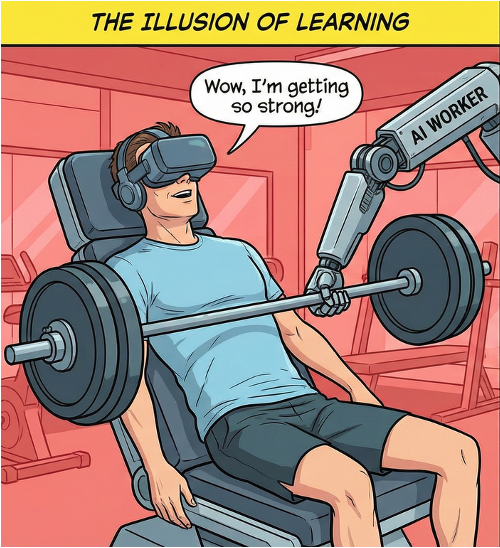
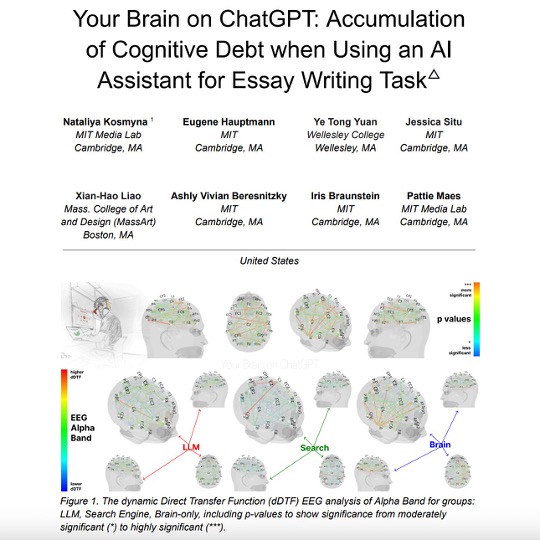
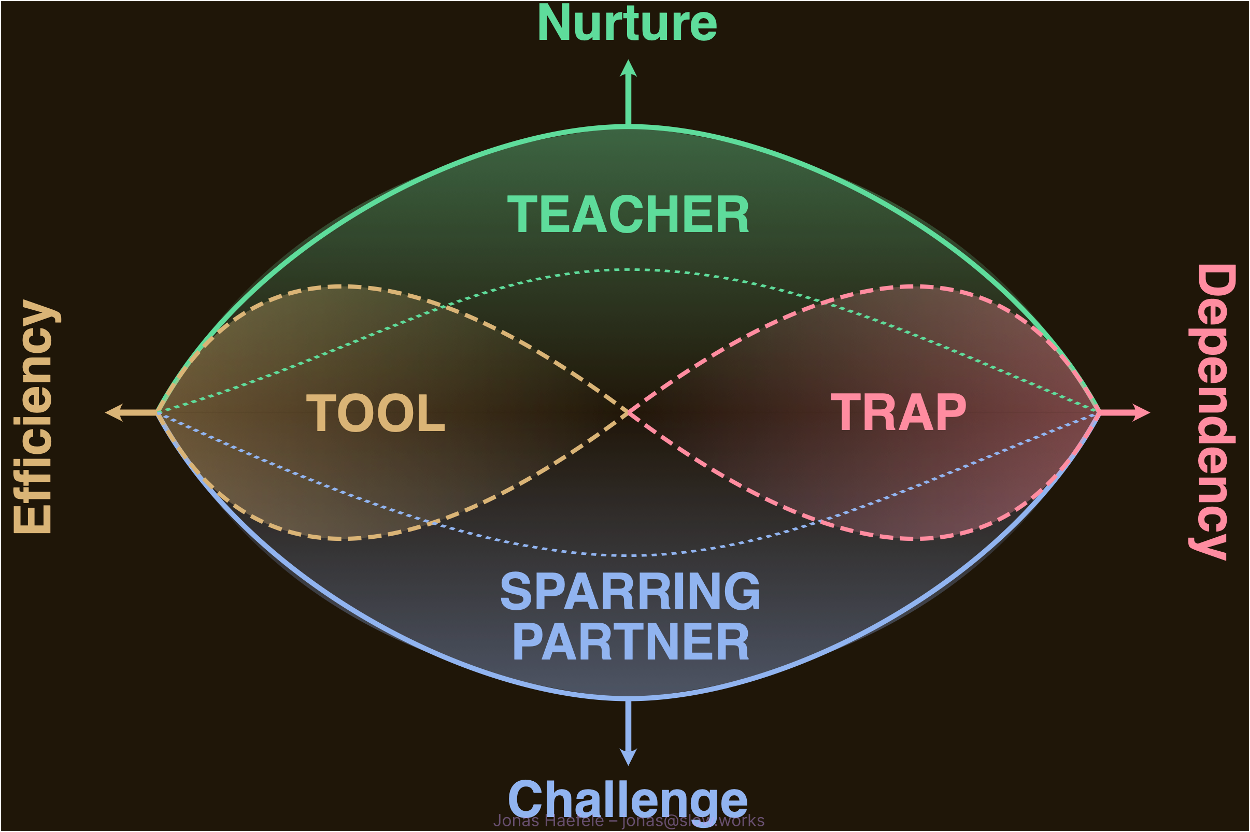
Using AI in this module

Use it to learn

Translate, summarise, test your understanding, draft outlines. Kimi, DeepSeek, Doubao are all fine as study partners.

Cannot replace your thinking

Reflections must reference our actual classroom. AI was not there. Generic AI answers score poorly.

Be ready to defend it

Presentation Q&A probes your understanding. The exam is handwritten and in person.

We'll come back to this

Session 10 is on AI in HR: bias, homogenisation, data protection. You'll need to evaluate AI tools critically.

Group Task 小组任务 15 min · 4 per group

Where does CCHRM get hardest?

Pick 2–3 module topics you'd expect to be challenging. For each, write one specific question you'd want the session to help you answer.

What to do

  1. Pick 2–3 topics from weeks 02–10.
  2. For each, write a specific question.
  3. Be ready to share one in 30 seconds.
For example How do you give critical feedback in a hierarchical workplace? (03) · When does a gift become a bribe? (08) · (How) should AI screen CVs across countries? (10)
Pick 2–3 topics · write a specific question for each
15:00
02Cultural frameworks
03Communication & feedback
04Leadership & negotiation
05Expatriate management
Line-art compass rose on a stylised topographic map, with terracotta accent on the north arrow.
06Global talent & remote
07Performance & rewards
08Labour, ethics, institutions
10AI & technology

Next session

Cultural frameworks, and their limits

If culture matters, can we measure it? Hofstede, GLOBE, tightness–looseness. And why one set of scores for 1.4 billion people is a problem.